This release adds new structure and execution capabilities
Teams
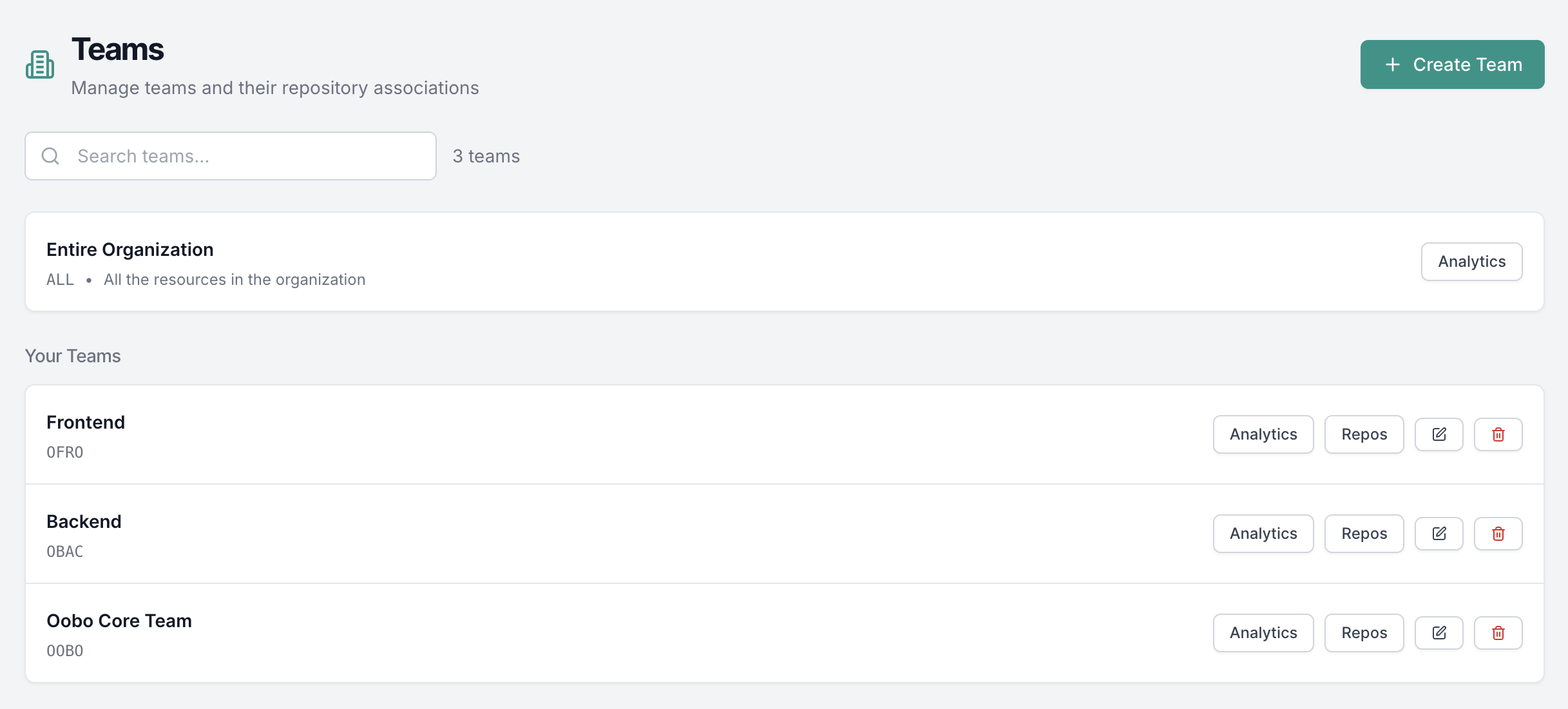
Teams allow you to group repositories and people under a shared structure.
A team can represent a functional group, a project, or any custom grouping that matches how your organization operates. Once teams are defined, analytics, dashboards, and reports can be scoped to a team or viewed at the organization level.
Repository assignment
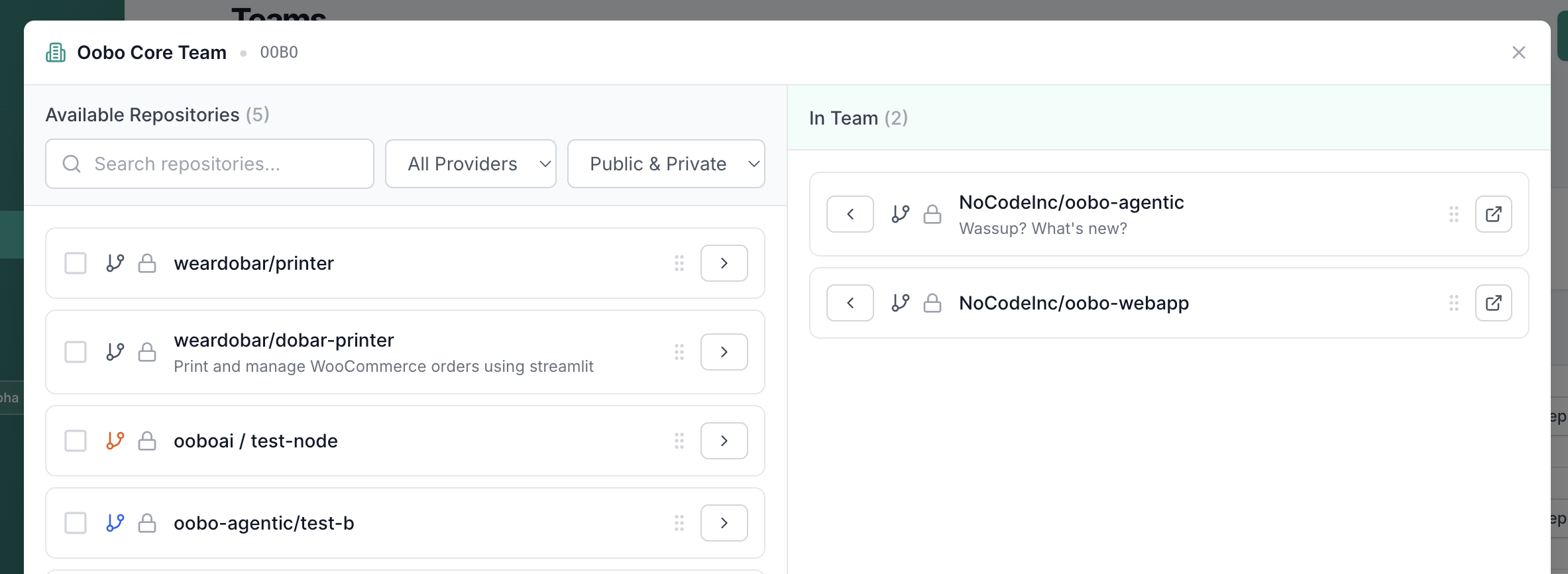
Repositories can be connected to one or more teams. This enables team-level analytics and reporting without changing how repositories are organized in GitHub or other providers.
Team analytics
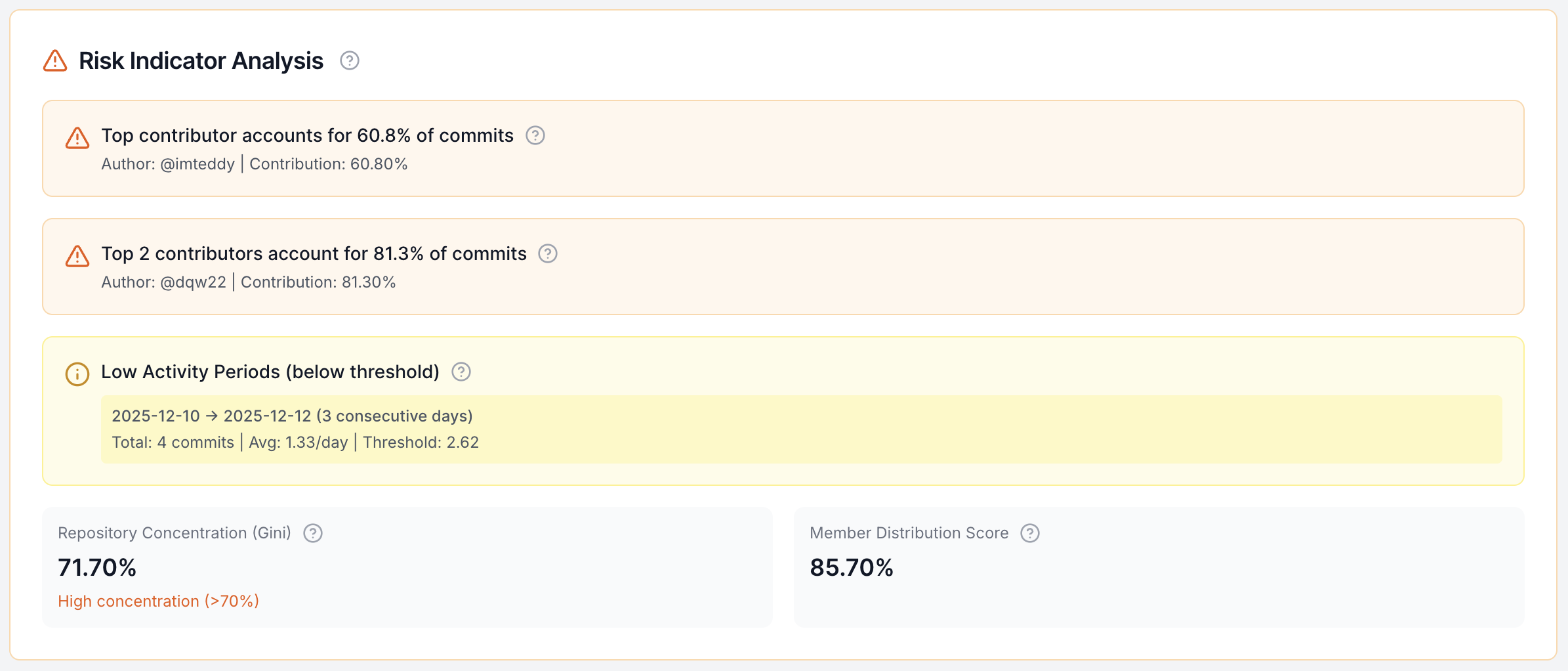
Each team has its own analytics view, showing activity, trends, and signals derived from the repositories assigned to that team.
Team vs organization comparison
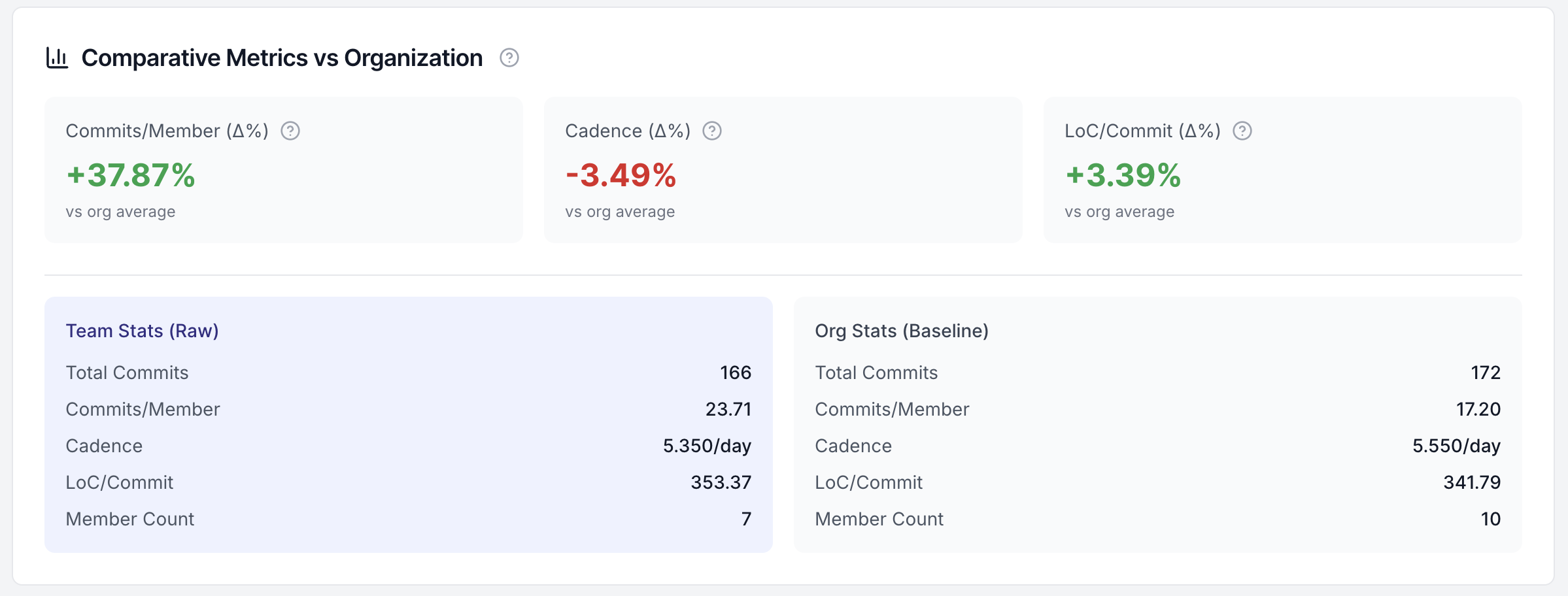
Team metrics can be compared directly against organization-level metrics. This makes it easier to understand how a team's activity relates to the broader system.
Reports
Reports are now configurable and schedulable.
They can be used as recurring updates or alerts, depending on cadence and scope. Reports can be delivered via email or Slack and can target the entire organization or individual teams.
Creating a report
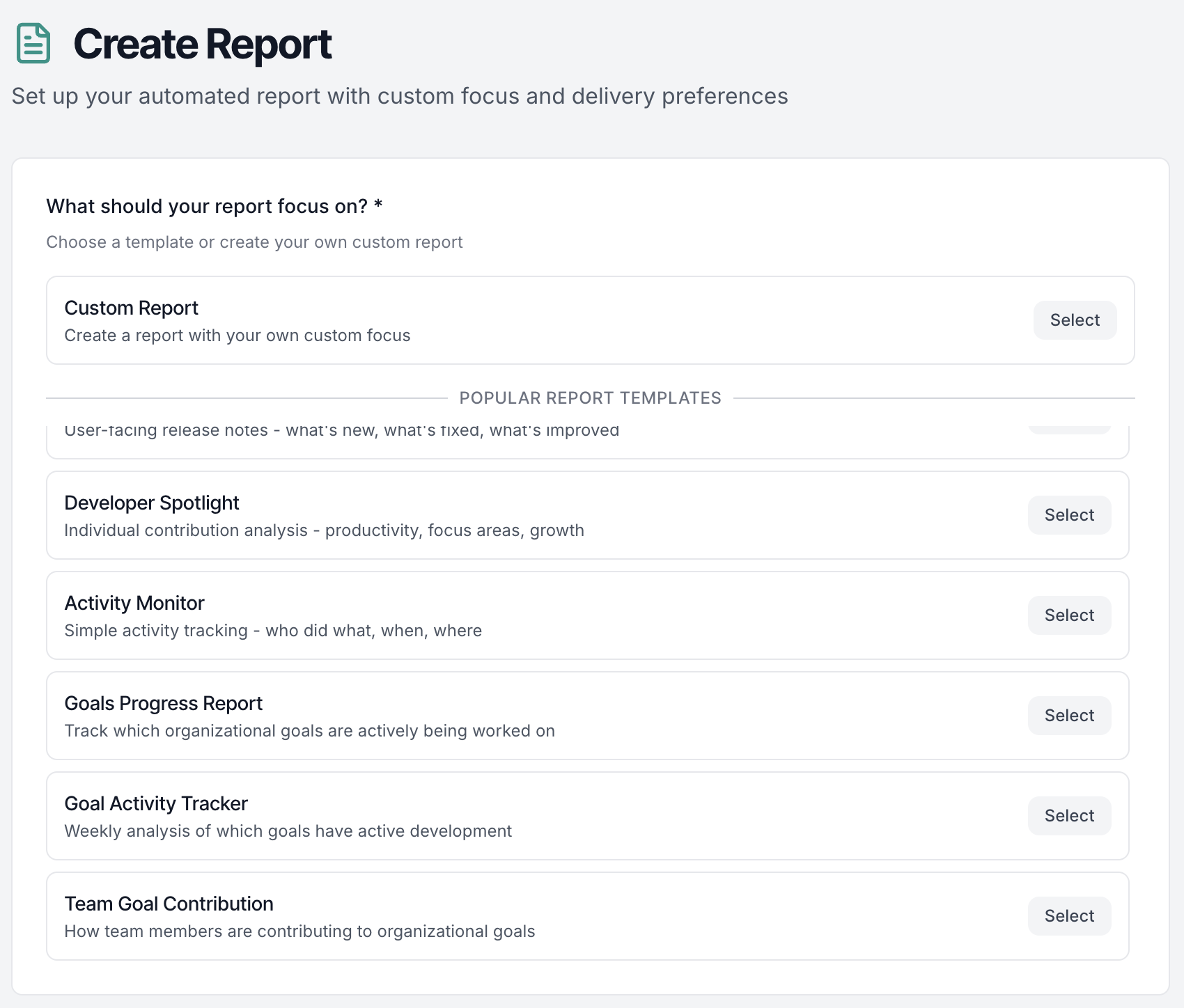
You can start from one of the predefined templates or create a custom report.
Customization and scheduling
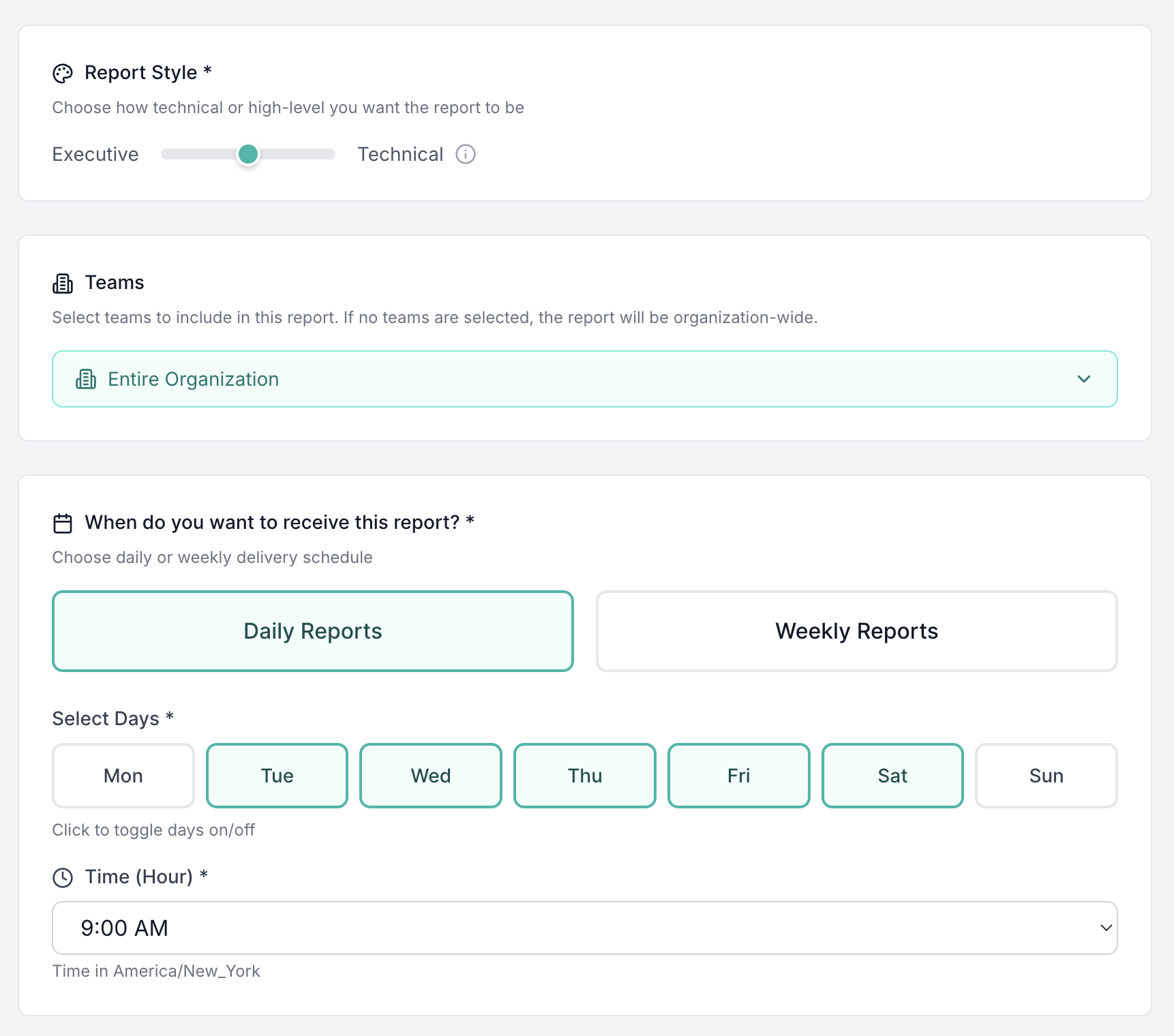
Reports can be configured with:
- •daily or weekly cadence
- •organization-level or team-level scope
- •delivery via email or Slack
Available templates include daily standup, engineering productivity, executive summary, product manager report, technical deep dive, and release notes. Custom reports can be created for specific workflows.
Orchestration (alpha)
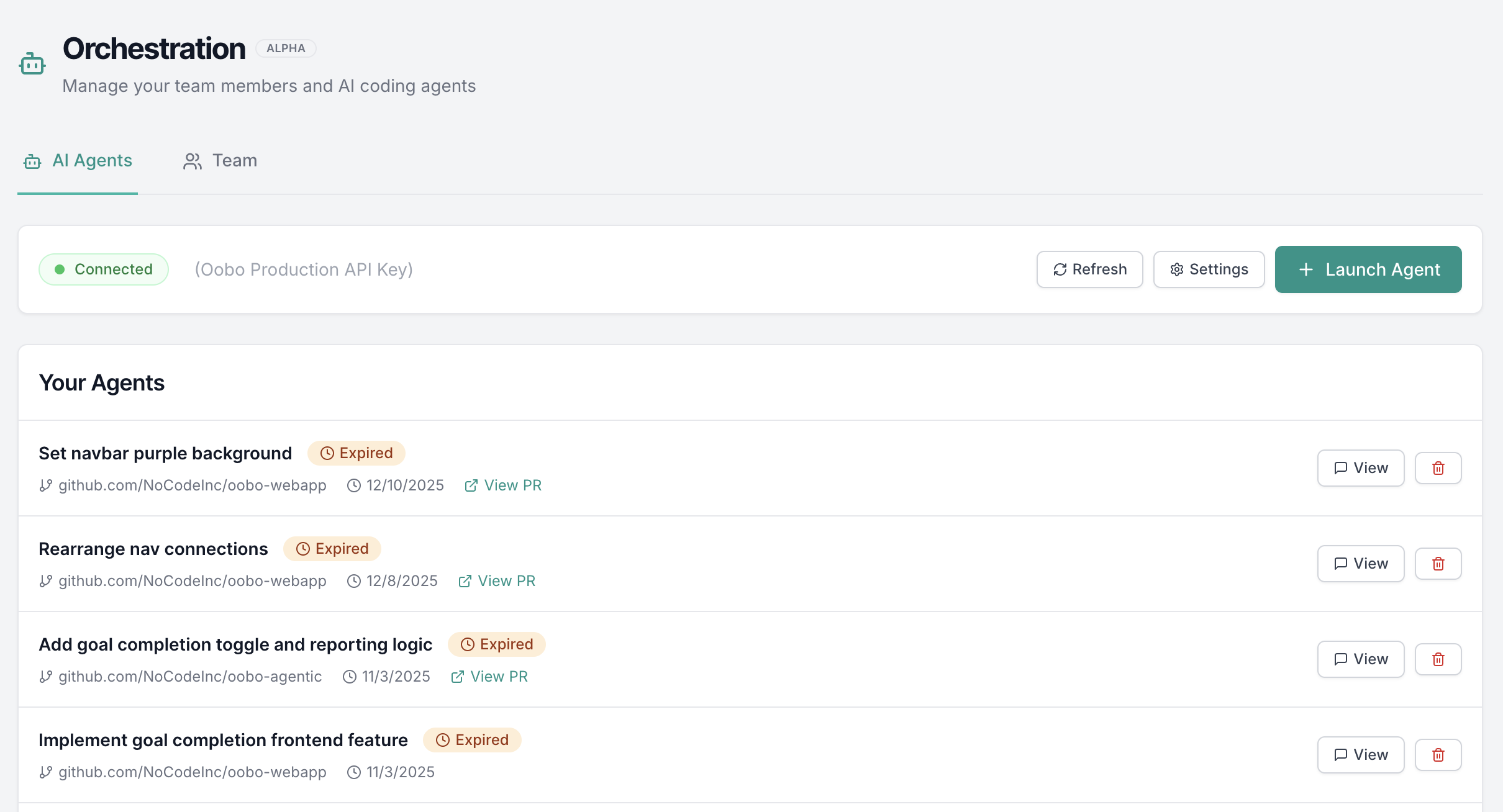
Orchestration introduces the ability to take action using the context already available in oobo.
This is an early alpha and currently focused on agent-based workflows.
Launching agents
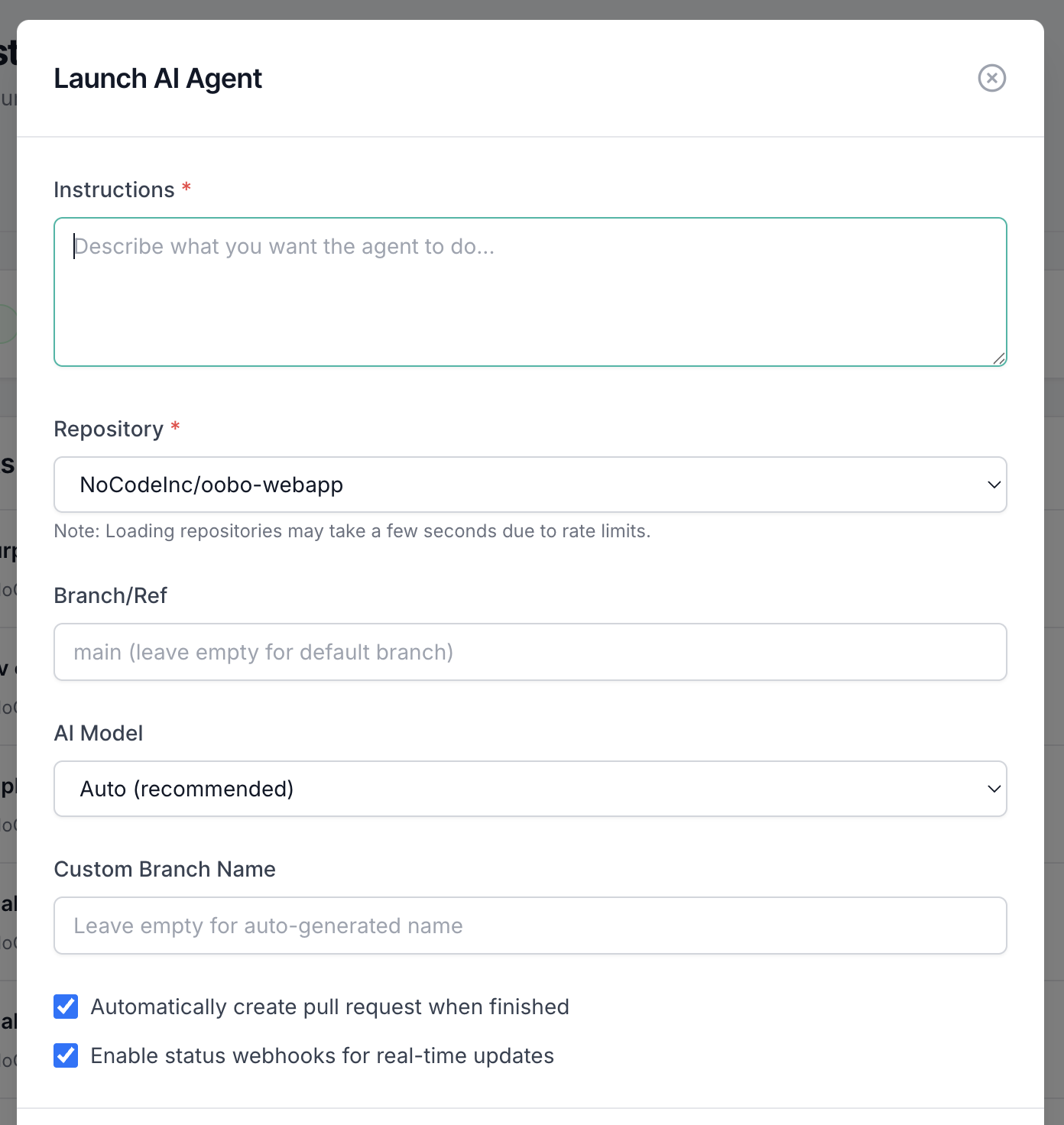
From the orchestration interface, you can configure and launch background agents. These agents can operate using repository context and open pull requests as part of their execution.
This is the first step toward closing the loop between understanding what is happening in the codebase and acting on that information.
Improvements
- •Navigation item "Team" has been renamed to Members to support the new Teams model
- •faster goal evaluation
- •rebuilt commit ingestion pipeline for higher reliability and fewer missed commits
- •improved matching of team members across multiple providers